
Audience First: Why Marketing Should Begin at the Packaging Stage
One of the biggest misconceptions in independent filmmaking is that marketing begins once the film is finished.
In reality, marketing should begin much earlier — during the packaging and development process itself.
Too often, filmmakers approach marketing as a separate downstream function. Something that happens once the cast is attached, the finance is raised and the film is completed. But by that point, many of the most important commercial and audience decisions have already been made.
The truth is that every major creative and financial decision involved in putting a film together is also, in some way, a marketing decision.
Casting is a marketing decision.
Genre is a marketing decision.
Budget level is a marketing decision.
Format, tone, release strategy, platform suitability and even poster potential are all interconnected with audience.
That doesn’t mean films should be created cynically or without artistic ambition. It simply means that film exists within an ecosystem and understanding that ecosystem from the outset gives projects a far greater chance of sustainability and long-term success.
Understanding Who The Film Is For
One of the first questions any filmmaker should ask themselves is:
Who is this film for?
Not necessarily in a perfect or hyper-specific sense, but at least as a foundational starting point.
Every successful consumer product in the world begins with an understanding of audience and market need. Whether it’s a car manufacturer, a fashion brand or a technology company, there is always a process of identifying:
- who the customer is
- what they respond to
- how they consume
- what price point is viable
- and where the product fits within the wider market
Film should be no different.
A useful analogy is the automotive industry.
Imagine your audience is families with young children looking for an SUV. You then need to decide whether you are building
- a Porsche SUV
or
- a Toyota SUV
Both serve similar broad audience needs, but they exist at very different price points, with very different manufacturing costs, market expectations and commercial realities.
The same principle applies to film.
If your lead actor is Tom Cruise, the international theatrical value proposition is entirely different from a Gerard Butler action film — and different again from a microbudget independent thriller with emerging talent.
None of these approaches are inherently right or wrong.
But the budget, packaging and commercial expectations all need to align realistically with the audience potential and marketplace positioning of the project.
Packaging Is Market Positioning
This is where many independent films struggle.
Projects are often packaged creatively without sufficient consideration for:
- audience demand
- release pathways
- discoverability
- platform suitability
- competitive positioning
- or realistic revenue potential
In practice, that can result in films being produced at budget levels that are extremely difficult to recoup within the marketplace they are realistically entering.
Understanding the audience early allows filmmakers to make more informed decisions around:
- scale
- casting
- financing
- distribution
- partnerships
- and eventual release strategy
It becomes easier to identify:
- what kind of film you are making
- who might pay to watch it
- where they are likely to discover it
- and what commercial ceiling may realistically exist
Thinking Beyond The Festival Bubble
Another key part of audience-first thinking is understanding consumption behaviour.
Where is this audience likely to encounter the film?
- At festivals?
- In cinemas?
- On transactional VOD platforms?
- Through streaming subscriptions?
- Via social media discovery?
- Through genre communities?
Different audiences behave differently.
Some films are fundamentally theatrical experiences. Others are more naturally suited to streaming ecosystems or highly targeted digital audiences.
Understanding those consumption patterns early can influence everything from:
- running time
- pacing
- artwork
- trailer strategy
- release timing
- social content
- and platform negotiations
Sustainable Filmmaking Requires Audience Awareness
None of this diminishes film as an art form.
But filmmakers who want long-term careers must increasingly think about sustainability alongside creativity.
The goal is not simply to make one film.
The goal is to create work that can survive commercially within a competitive and fragmented entertainment landscape — allowing filmmakers to continue building careers and making future projects.
Audience-first thinking is not about compromising artistic identity.
It is about recognising that film is both:
- creative expression
and
- a product entering a marketplace
The earlier those two realities are considered together, the stronger the foundations of a project tend to become.
About magus films
Independent UK film distributor and creative consultant helping filmmakers develop, position, market and release projects intelligently on realistic budgets.
To submit your project for Magus Film's’ SMASH call out please click here.
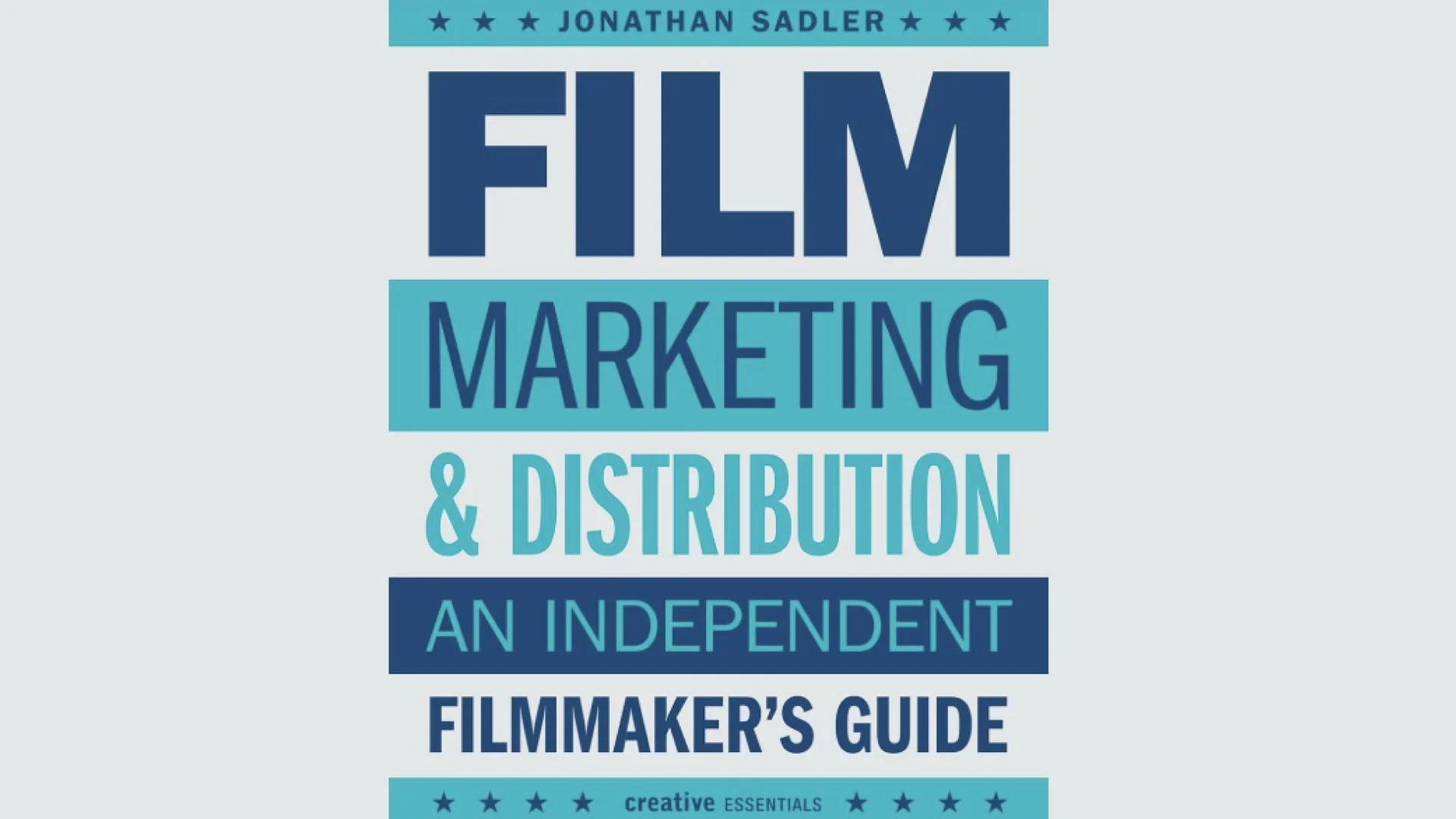
Jonathan Sadler's BookFilm Marketing & Distribution – An Independent Filmmaker’s Guide (2025) Practical steps for releasing films in a changing landscape is available
To read more about it, feel free to click on this affiliate Amazon link to buy the book here.